
Introduction
How to start a e-commerce business is one of the most searched questions among aspiring entrepreneurs today. With the rapid growth of online shopping and digital payments, e-commerce has become one of the most profitable business opportunities in the modern economy. People now prefer shopping online because it offers convenience, variety, and better pricing. As a result, thousands of entrepreneurs are entering the online marketplace every year to build profitable brands and achieve financial independence.
Learning how to start a e-commerce business can help individuals create a flexible source of income with global reach. Unlike traditional businesses, e-commerce businesses often require lower startup costs and offer the opportunity to operate from anywhere. Whether you want to sell fashion products, electronics, beauty items, handmade goods, or digital products, the e-commerce industry provides endless opportunities for growth.
However, success in e-commerce does not happen overnight. Entrepreneurs need proper planning, market research, branding, marketing, and customer service to build a sustainable online business. This guide explains how to start a e-commerce business step by step and provides practical strategies for long-term success.
Understand the E-Commerce Industry
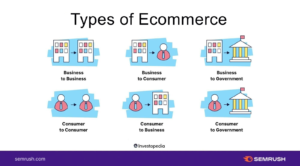
Before learning how to start a e-commerce business, it is important to understand how the industry works. E-commerce refers to buying and selling products or services online through websites, marketplaces, or mobile applications.
Some common types of e-commerce businesses include:
- Business-to-Consumer (B2C)
- Business-to-Business (B2B)
- Consumer-to-Consumer (C2C)
- Dropshipping businesses
- Subscription-based businesses
- Digital product businesses
The growth of smartphones, internet access, and online payment systems has made e-commerce more accessible than ever before. Businesses can now reach customers globally without opening physical stores.
Choose the Right Business Niche
One of the most important steps in how to start a e-commerce business is selecting the right niche. A niche is a specific market segment or category of products you want to sell.
Choosing a profitable niche helps businesses attract targeted customers and reduce competition. Entrepreneurs should focus on products with strong demand, growth potential, and reasonable profit margins.
Popular e-commerce niches include:
- Fashion and clothing
- Beauty and skincare
- Fitness products
- Home decor
- Electronics
- Pet products
- Health and wellness
- Eco-friendly products
Market research is essential before finalizing a niche. Entrepreneurs should analyze customer demand, competition, pricing, and future trends.
Create a Business Plan
A strong business plan is essential when learning how to start a e-commerce business. A business plan acts as a roadmap and helps entrepreneurs stay organized.
A good e-commerce business plan should include:
- Business goals
- Product details
- Target audience
- Marketing strategy
- Budget planning
- Revenue model
- Competitor analysis
- Growth strategy
Planning reduces risks and helps businesses make smarter financial and operational decisions.
Select the Right E-Commerce Platform
Choosing the right platform is another important step in how to start a e-commerce business. An e-commerce platform is the software used to create and manage your online store.
Some popular e-commerce platforms include:
- Shopify
- WooCommerce
- Magento
- BigCommerce
- Wix eCommerce
Each platform offers different features, pricing, and customization options. Beginners often choose platforms that are easy to manage and offer secure payment integration.
Your website should have:
- Fast loading speed
- Mobile-friendly design
- Easy navigation
- Secure payment gateways
- Professional product images
- Clear product descriptions
A user-friendly website improves customer experience and increases sales conversions.
Source or Create Your Products
Understanding product sourcing is crucial in how to start a e-commerce business. Entrepreneurs can either create their own products or source them from suppliers and manufacturers.
Common product sourcing methods include:
- Manufacturing products
- Wholesale purchasing
- Dropshipping
- Print-on-demand
- Handmade product creation
Dropshipping has become especially popular because it allows entrepreneurs to sell products without maintaining inventory. However, product quality and supplier reliability remain extremely important.
Entrepreneurs should prioritize high-quality products and reliable delivery services to build customer trust.
Build a Strong Brand Identity
Branding plays a major role in how to start a e-commerce business successfully. A strong brand helps businesses stand out from competitors and create customer loyalty.
Brand identity includes:
- Business name
- Logo
- Brand colors
- Packaging
- Brand voice
- Customer experience
Successful brands focus on building trust and emotional connections with customers. Consistency in branding across websites, social media, and advertisements improves brand recognition.
Learn Digital Marketing Strategies
Marketing is one of the most important parts of how to start a e-commerce business. Without effective marketing, even great products may struggle to generate sales.
Important digital marketing methods include:
Search Engine Optimization (SEO)
SEO helps websites rank higher on search engines like Google. Entrepreneurs should optimize product pages, blog content, and website structure using relevant keywords.
Social Media Marketing
Platforms like Instagram, Facebook, Pinterest, and TikTok are powerful tools for promoting e-commerce brands. Social media helps businesses engage with audiences and build loyal communities.
Email Marketing
Email marketing allows businesses to communicate directly with customers, promote offers, and encourage repeat purchases.
Paid Advertising
Businesses can use Google Ads and social media advertisements to reach targeted audiences quickly and increase website traffic.
Understanding marketing is essential when learning how to start a e-commerce business because customer acquisition drives business growth.
Focus on Customer Experience
Customer satisfaction is critical in how to start a e-commerce business successfully. Positive customer experiences increase repeat purchases and improve brand reputation.
Ways to improve customer experience include:
- Fast shipping
- Easy return policies
- Responsive customer support
- Secure payments
- Honest product descriptions
- Personalized communication
Online reviews and customer feedback significantly influence purchasing decisions. Businesses should actively encourage satisfied customers to leave positive reviews.
Manage Finances Carefully
Financial management is another key part of how to start a e-commerce business. Entrepreneurs should track expenses, profits, inventory costs, and marketing budgets carefully.
Important financial practices include:
- Creating a startup budget
- Monitoring cash flow
- Maintaining emergency funds
- Investing profits wisely
- Separating personal and business finances
Poor financial planning is one of the biggest reasons many businesses fail during the early stages.
Use Data and Analytics
Modern e-commerce businesses rely heavily on data and analytics. Understanding customer behavior helps businesses improve products, marketing campaigns, and website performance.
Analytics tools can track:
- Website traffic
- Customer demographics
- Sales performance
- Conversion rates
- Product popularity
- Advertising effectiveness
Data-driven decisions improve long-term business growth and profitability.
Stay Consistent and Adaptable
Consistency is extremely important in how to start a e-commerce business successfully. Building a profitable online business takes time, patience, and continuous improvement.
Entrepreneurs should regularly:
- Update products
- Improve marketing strategies
- Study competitors
- Follow industry trends
- Learn new business skills
The e-commerce industry changes rapidly due to technology and customer preferences. Businesses that adapt quickly often achieve long-term success.
Common Mistakes to Avoid
While learning how to start a e-commerce business, entrepreneurs should avoid common mistakes such as:
- Choosing the wrong niche
- Ignoring customer feedback
- Poor website design
- Weak branding
- Inconsistent marketing
- Low-quality products
- Unrealistic expectations
- Lack of financial planning
Avoiding these mistakes can improve business stability and growth.
Conclusion
Understanding how to start a e-commerce business is the first step toward building a profitable online brand in today’s digital world. E-commerce offers incredible opportunities for entrepreneurs who are willing to learn, adapt, and stay consistent.
Success in e-commerce requires more than just creating a website. Entrepreneurs need strong branding, effective marketing, quality products, financial management, and excellent customer service to stand out in the competitive market.
The journey may involve challenges, but with proper planning and dedication, anyone can build a successful e-commerce business. As online shopping continues to grow globally, now is one of the best times to enter the e-commerce industry and create a sustainable source of income.
other blog:-Ecommerce Business Idea: Powerful Opportunities to Build a Profitable Online Brand