
Role of AI in Business
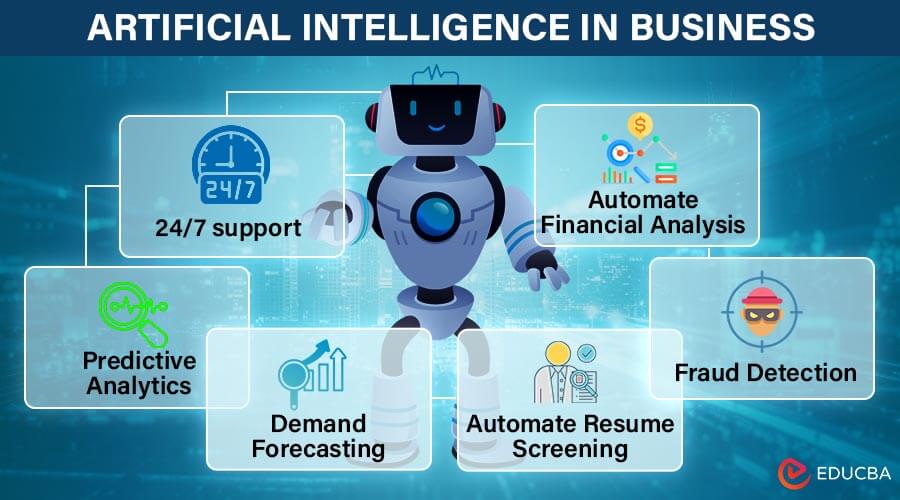
Artificial Intelligence (AI) has become one of the most powerful technologies driving modern business growth. From small startups to large multinational companies, AI is reshaping how organizations operate, make decisions, and serve customers. The role of AI in business is expanding rapidly, especially in areas like automation, data analysis, customer experience, and strategic decision-making. Today, businesses that use AI effectively are gaining a strong competitive advantage in the market.
AI Automation in Business
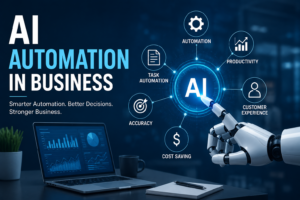
One of the most important contributions of Role of AI in business is AI automation in business. Many repetitive and time-consuming tasks can now be handled by intelligent systems. Activities such as data entry, invoice processing, scheduling meetings, managing emails, and inventory tracking are being automated using AI tools.
This automation helps companies save time, reduce human errors, and improve productivity. Employees are no longer stuck in routine tasks and can focus on creative, analytical, and strategic work. For example, chatbots can handle customer queries instantly, reducing the need for large customer service teams while improving response time.
AI for Decision Making
Another major impact of AI is in AI for decision making. Businesses generate huge amounts of data every day, but making sense of this data is challenging. AI helps by analyzing large datasets quickly and identifying patterns, trends, and insights that humans might miss.
For example, AI systems can predict customer demand, analyze market trends, and suggest the best pricing strategies. In finance, AI helps detect risks and guide investment decisions. In healthcare, it assists in diagnosing diseases and recommending treatments. This leads to faster, more accurate, and data-driven decision-making.

Improving Customer Experience
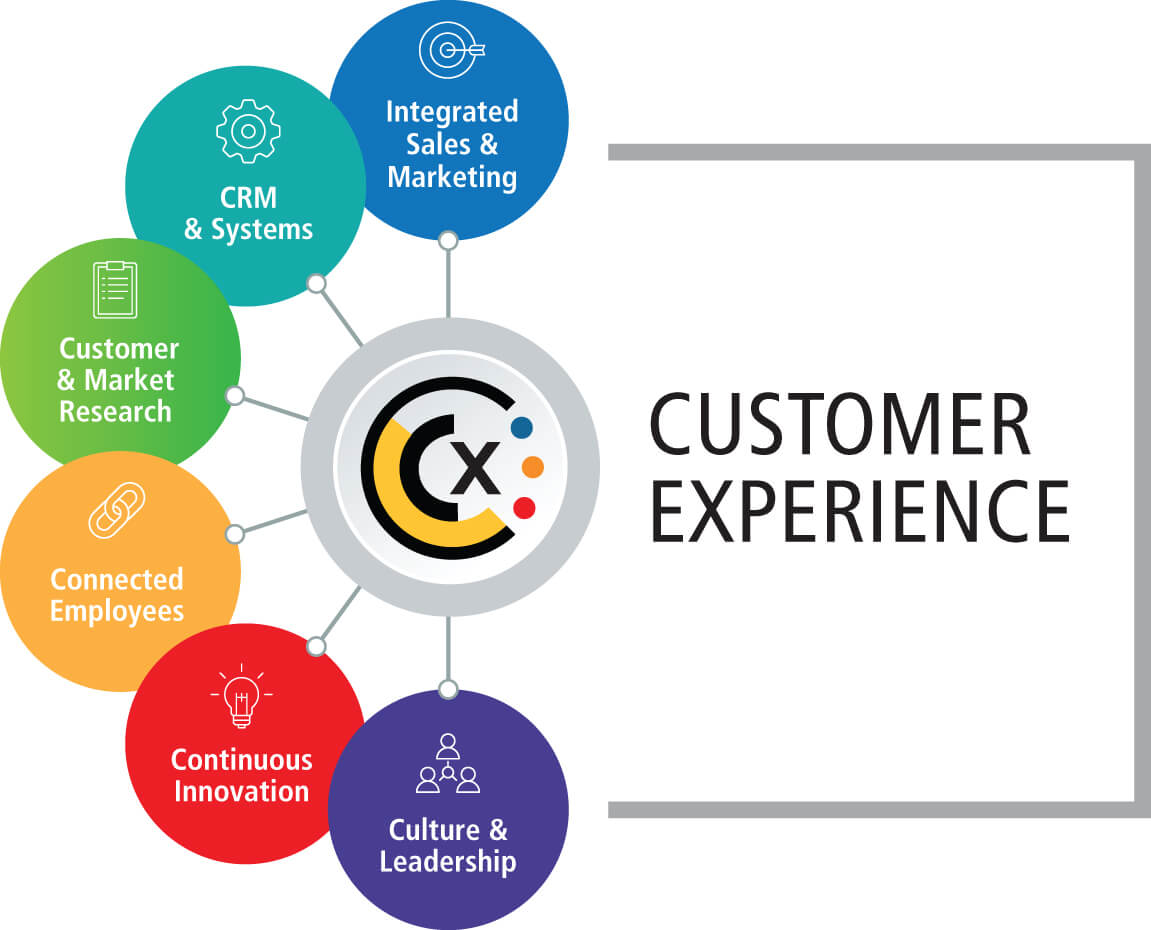
Customer experience is a key factor in business success, and Role of AI in business plays a major role in enhancing it. AI-powered chatbots, virtual assistants, and recommendation systems help businesses provide personalized services to customers.
For instance, e-commerce platforms like Amazon and Netflix use AI to suggest products and content based on user behavior. This personalization improves customer satisfaction and increases sales. Additionally, AI ensures 24/7 customer support, allowing businesses to stay connected with their customers at all times.
AI in Marketing and Sales
Role of AI in business is revolutionizing marketing strategies by making them more targeted and effective. Businesses can now analyze customer behavior, preferences, and online activity to create personalized marketing campaigns.
AI tools help in predicting which products a customer is likely to buy and when they are most likely to make a purchase. This improves conversion rates and reduces marketing costs. Email marketing, social media ads, and digital campaigns are becoming smarter and more efficient with AI integration.

AI in Business Operations
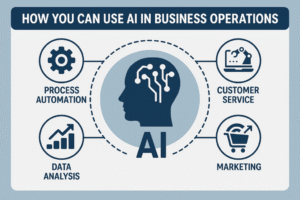
Beyond marketing and decision-making, role of AI in business also improves overall business operations. It helps in supply chain management, logistics, and production planning. AI systems can predict demand, manage inventory levels, and optimize delivery routes, reducing operational costs and delays.
In manufacturing, AI-powered machines improve production speed and reduce defects. In retail, AI helps manage stock efficiently and prevents overstocking or shortages.
AI in Human Resource Management
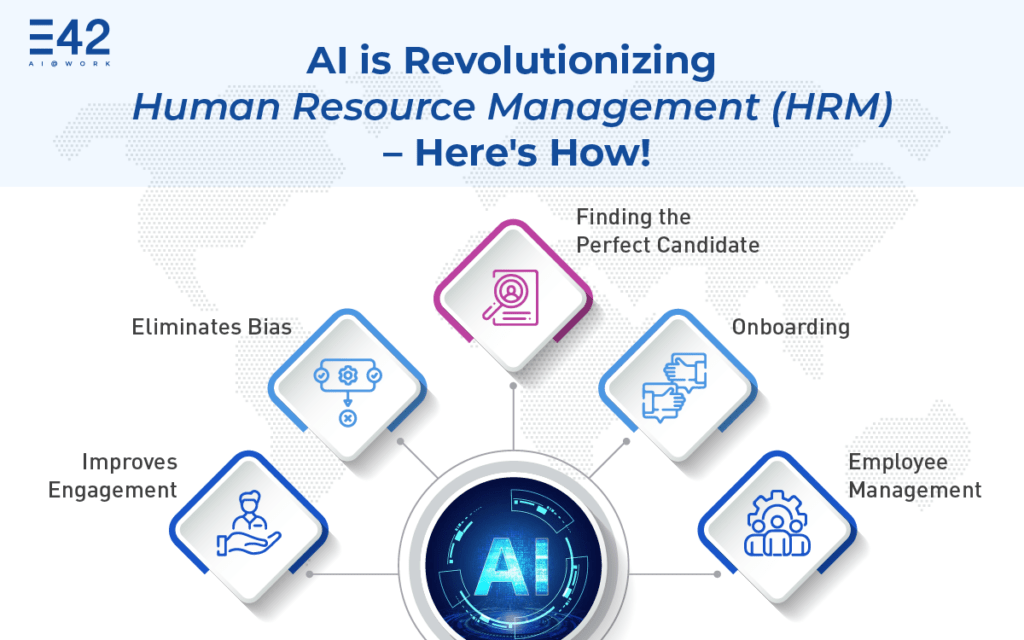
Human Resource (HR) departments are also benefiting from AI. Recruitment processes are becoming faster and more accurate with AI-based resume screening tools. Role of AI in business can analyze thousands of applications and shortlist the most suitable candidates based on skills and experience.
It also helps in employee performance tracking, training recommendations, and workforce planning. This makes HR processes more efficient and less biased.
Challenges of AI in Business
While AI offers many benefits, it also comes with challenges. High implementation costs, data privacy concerns, and the need for skilled professionals are some of the major issues. Additionally, over-dependence on AI may reduce human involvement in certain decision-making areas.
Businesses must ensure ethical use of AI and maintain a balance between automation and human intelligence.
Conclusion
The role of AI in business is becoming more important every day. From AI automation in business to AI for decision making, this technology is helping organizations become faster, smarter, and more efficient. It is not just improving productivity but also transforming customer experiences and business strategies.
Companies that embrace AI today are better prepared for the future. As technology continues to evolve, AI will remain a key driver of innovation and growth across all industries.
Also read:- http://The Growing Scope of Social Media Marketing in Today’s Digital World